
Ayodhya or Kashi: The Eternal Dilemma
Both Ayodhya and Varanasi are foundational pillars of Indian spirituality. While they are only 200 km apart, their 'vibe' and history are distinct. Many travelers ask us: 'If I only have time for one, which should I choose?' or 'Which one should I visit first?' This guide helps you decide.
Ayodhya: The Harmony of Ram Rajya
Ayodhya is the city of Lord Rama—it represents order, duty (Dharma), and serene devotion. The city is flatter, more spacious, and has undergone rapid modern infrastructure development. It is ideal for families and elderly travelers who want a peaceful darshan. The main attraction is the Ram Mandir and the serene Saryu River.
Varanasi: The Intensity of Lord Shiva
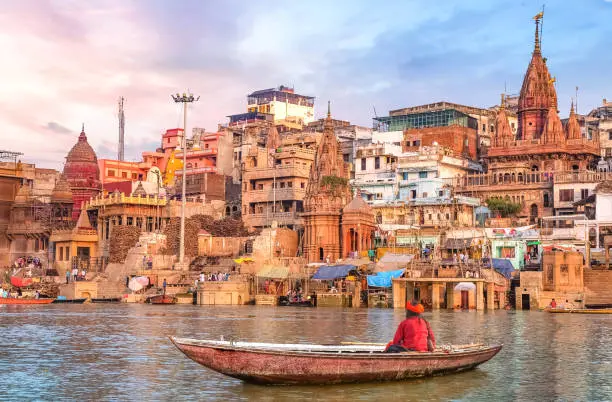
Varanasi (Kashi) is the city of Moksha—it is intense, ancient, and beautifully chaotic. It represents the raw power of transformation. The narrow lanes (Galies) and the Ghats offer a sensorial experience that is unlike anywhere else on earth. The Kashi Vishwanath Temple and the Ganga Aarti are the soul of Kashi.
Key Comparison Points
- Pace of Life: Ayodhya is slower and meditative; Varanasi is high-energy and bustling.
- Accessibility: Ayodhya is now more accessible with wider roads and a new airport; Varanasi's core is best explored on foot or by boat.
- Aarti Experience: Saryu Aarti is rhythmic and grand; Ganga Aarti at Dashaswamedh is a world-class spectacle with huge crowds.
The Verdict: Visit Both!
The best way to experience Uttar Pradesh is by visiting both. We recommend starting with Ayodhya to soak in the peace of the Ramayana and then moving to Varanasi to experience the timeless rituals of Kashi. Our Ayodhya Varanasi Tour Package and the 3-Day Holy Triangle Tour are specifically designed for this purpose.
Transport Between Cities
Connecting the two cities is easy with our Ayodhya to Varanasi Taxi service. It's a comfortable 5-hour drive that allows you to see the rural heartland of India. Read our Comparison Guide for a deeper dive into the logistics and hotels of both cities.